Service area · Raleigh, NC
Remodeling In Raleigh: ITB Bungalows To North Raleigh
Raleigh has the oldest housing stock in our Wake County service area: nearly a quarter of the city’s homes predate 1980, and the neighborhoods inside the beltline hold some of the oldest homes in the county. A lot of these houses still have real plaster, old wiring, and framing that predates the current code. We keep the character and fix what’s behind it.
How permits work in Raleigh
Remodeling permits come from the City of Raleigh Planning and Development Department at One Exchange Plaza, filed through the city’s Permit and Development Portal. Raleigh is unusually friendly to interior remodels: alterations and repairs, even moving walls, fall in the city’s no-plans-required category, filed as a single Residential Building Alteration/Repair permit that folds in the plumbing, mechanical, and electrical trades. The city publishes review benchmarks of 3 business days for alterations and decks and 7 for additions, and is candid that those are goals, not guarantees. Homes on well or septic need Wake County sign-off before the city application. That is another step we handle.
Historic districts are an exterior question
Raleigh’s local Historic Overlay Districts require a Certificate of Appropriateness for exterior changes, with minor work approved at staff level and major work going to a monthly commission meeting. Two things most owners do not know: interior remodels are not COA-regulated even in a local district, and National Register listing alone triggers no review at all. Which neighborhoods carry the overlay is a map question. The city’s iMAPS historic layer answers it per address, and we check yours before quoting.
What we build in Raleigh
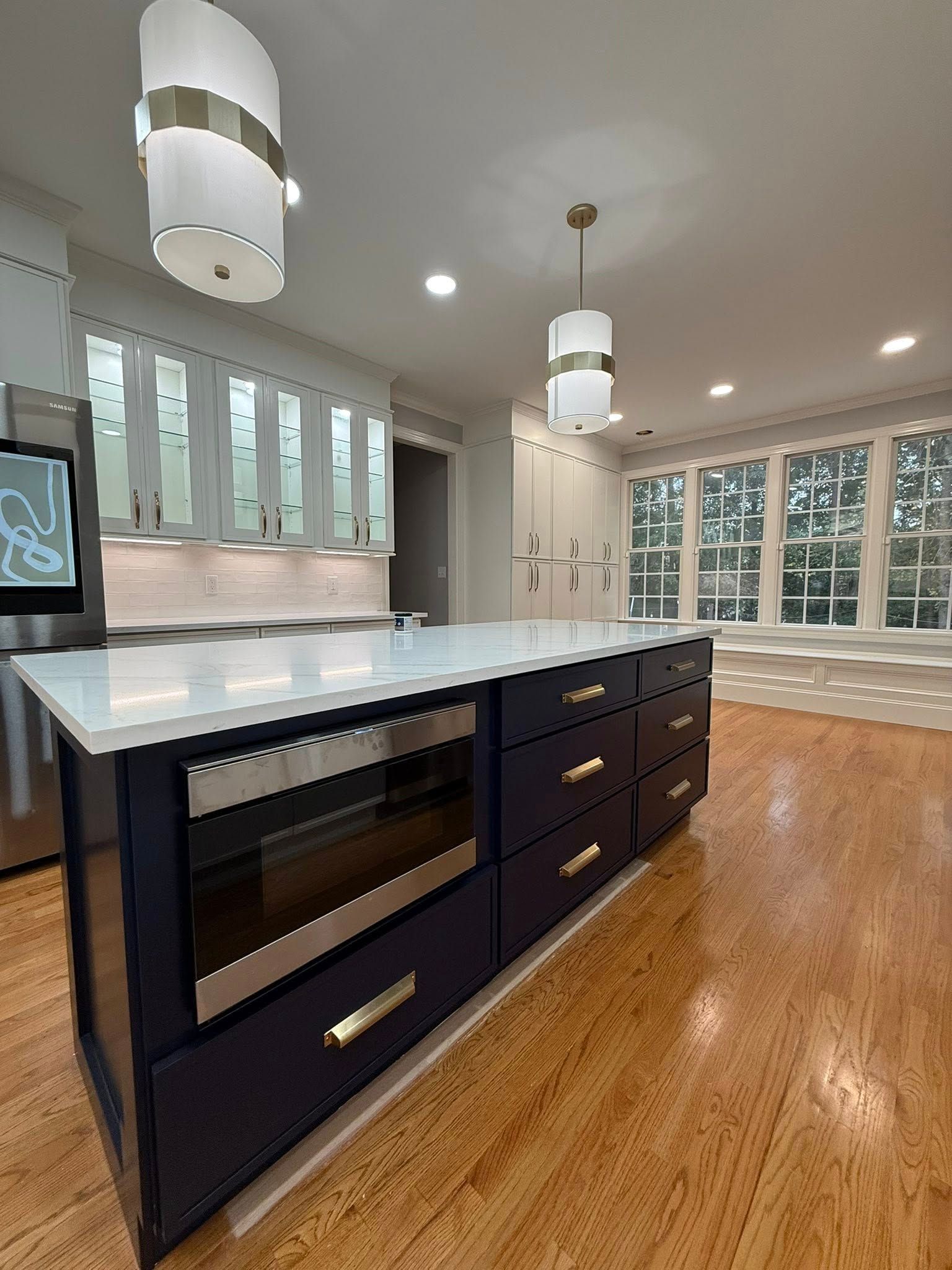
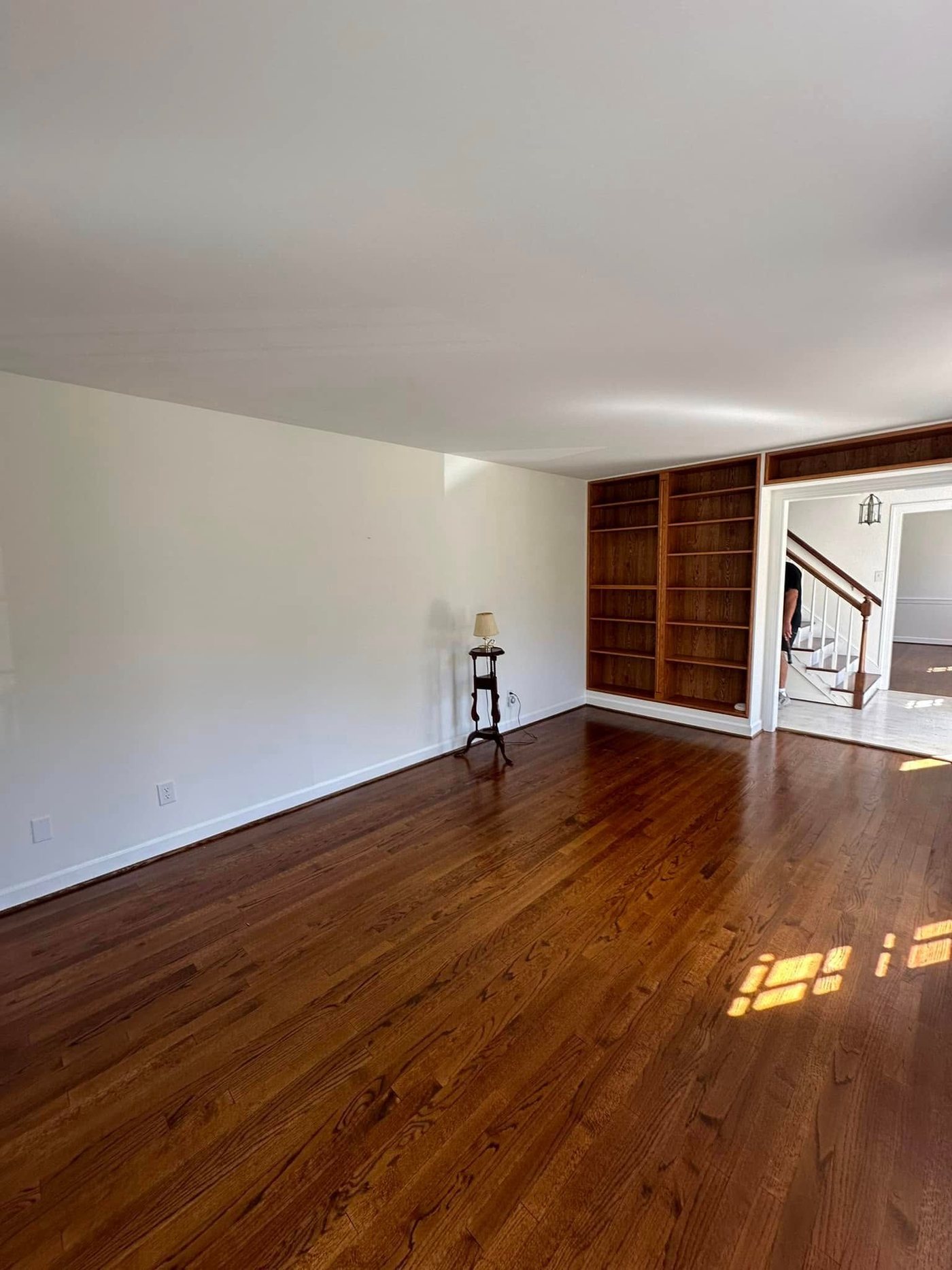
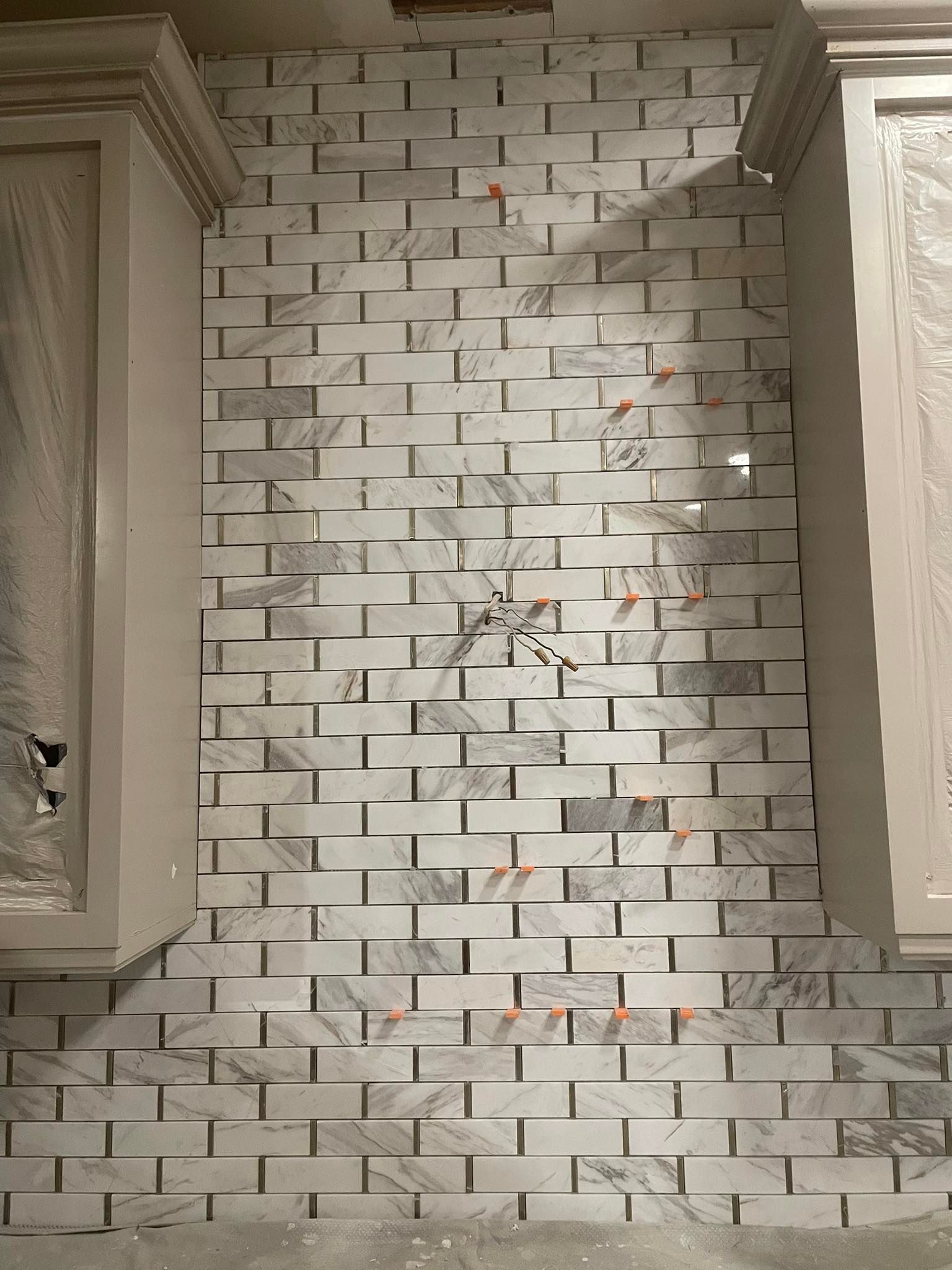
The older the Raleigh house, the more we like the job: kitchen and bathroom remodels, whole-home renovations, built-ins, decks, flooring, and painting, with the city permit filed by us.
The homes you find here
Raleigh’s housing stretches from prewar neighborhoods through large late-twentieth-century and recent building waves. Older houses commonly involve closed kitchens, limited baths, plaster, and accumulated additions; newer homes more often need finish upgrades, storage, and better use of an already open plan.
Town-published places
City preservation pages document places including Oakwood, Boylan Heights, and Mordecai Place. The names establish local housing context only and do not imply Beast Mode has completed work on a particular street.
How a Raleigh remodel runs
- Walk the scope and write it down. We inspect the rooms, discuss the intended changes, and turn the agreed scope into a written estimate.
- Quote and plan. Quotes are delivered within 24–48 hours. Permit needs, material choices, and crew sequencing are settled before work begins.
- Schedule the dedicated trades. Most projects start within 7–10 days of bid acceptance, with in-house crews assigned by trade.
- Build and stand behind it. The work carries Beast Mode’s one-year workmanship warranty.
Frequently asked questions
Who issues remodeling permits in Raleigh?
The City of Raleigh Planning and Development Department, through its Customer Service Center at One Exchange Plaza downtown. Applications and inspections run through the city’s online Permit and Development Portal, and we handle that filing as part of the job.
Does a Raleigh kitchen or bathroom remodel need building plans?
Usually not. Raleigh classifies interior alterations and repairs, including moving walls in a kitchen, bathroom, or bedroom, as permits that do not require plan drawings; you apply for a Residential Building Alteration/Repair permit that covers the plumbing, mechanical, and electrical scope. Additions, decks, and porches DO require plans.
How fast does Raleigh review residential permits?
The city publishes review benchmarks: 3 business days for the first review of alterations, repairs, decks, and single-trade permits, and 7 days for additions, plus a few days of intake before review starts. The city notes these are goals rather than guarantees, so we build the window into your schedule up front.
My Raleigh house is in a historic district — what changes?
Inside a local Historic Overlay District, any EXTERIOR change needs a Certificate of Appropriateness before work begins — interior remodels are not restricted. If your home is only on the National Register, no COA is required at all. We flag this on the first walkthrough so it never surprises you mid-project.
Call (919) 899-2849.
Start here
Tell us about your project
Send the form and we'll get back to you fast, with a quote within 48 hours. Prefer to talk? Call (919) 899-2849, Monday–Friday 8am–8pm.
Browsing first? Meet Randy and Eric or see the gallery.
Loading the quote form…